How to Lower Cortisol Naturally (And Why "Just Relax" Isn't the Answer)
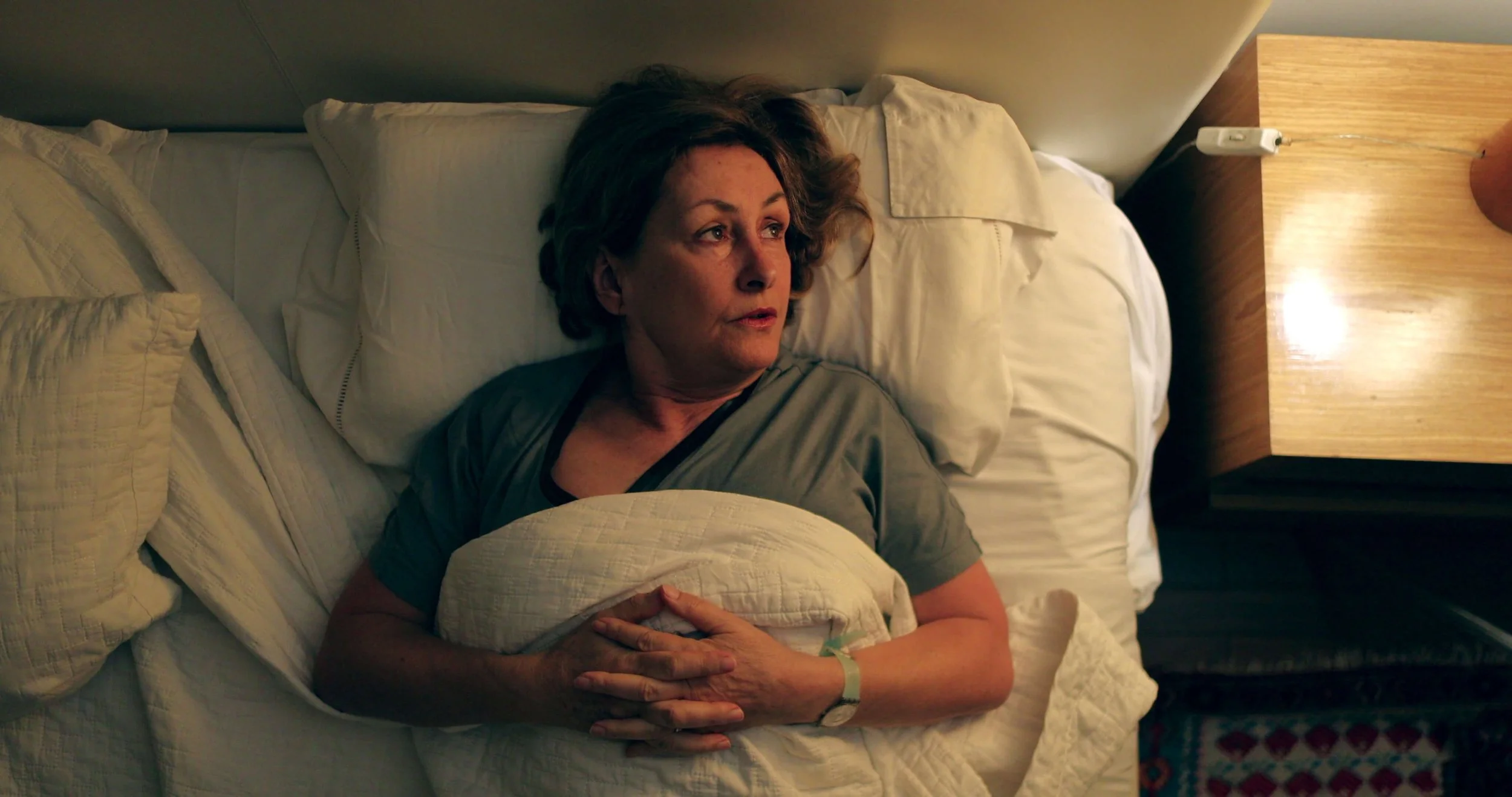
“Just relax” is not a cortisol strategy. Here’s what actually works.
My favourite way to relax when I’m stressed is just to have my husband tell me to relax, it’s so calming. Just kidding, that’s the last thing I want to hear and he knows that well by now.
Cortisol isn't the villain we all like to think it is. It's actually supposed to help you. In the morning it gets you out of bed, and in an actual emergency it tells your body to run or fight. The problem is that your body can't tell the difference between being chased by a bear and being the family's on-call cook, homework helper, and emotional support human. So it just stays switched on. All the time.
And that has real physical consequences. Belly fat that won't shift. Sleep that doesn't restore. A brain that feels like it's running through wet cement by 3pm. Not because you're lazy or not trying hard enough, but because your stress hormone is stuck in the "on" position.
Here's what actually helps.
Start with what you're eating and drinking
Sugar is one of the biggest cortisol triggers most people don't connect to stress. Not because sugar is evil, but because the blood sugar spikes and crashes keep your body on high alert. Less sugar across your day (not zero, just less) makes a real difference to how you feel by the afternoon.
Caffeine is the other big one, and I say this as someone who once drank an entire pot of coffee in a day and still felt exhausted. The caffeine wasn't touching my tiredness. My anxiety, though? It was through the roof. That's the cycle: caffeine spikes cortisol, which keeps you wired but not actually energized, and by night you can't sleep. I'd be under my quilt reading on my phone (dark mode, so I wouldn't wake my husband, who was sleeping just fine, albeit very loudly, beside me), and wake up the next morning feeling like I hadn't slept at all. Which meant I needed more coffee. If that sounds familiar, try cutting back for a week. Not cold turkey, just less. Notice what happens.
Dehydration can also spike cortisol, which sounds too simple to matter but it does. Drink water before you decide you're exhausted.
I was delightfully surprised to learn that tea and dark chocolate (the proper kind, not the sweet milky variety) actually bring cortisol down. I’m a dark chocolate fan, so its nice to know that I can now guiltlessly enjoy it for my health. And your afternoon ritual of sitting down with something warm? That's not lazy, that's your nervous system getting what it needs.
Your gut and your stress response are more connected than most people realize. Chronic stress disrupts your gut bacteria, and disrupted gut bacteria make stress worse. It goes both ways. Fermented foods like yogurt, kefir, and sauerkraut feed the good bacteria that help keep this in check, and prebiotic fibre (oats, garlic, onions, bananas) gives those bacteria something to eat. It shows up in how you feel every day, even when you can't quite explain why. I go deeper on this in the free 5-Day Energy Series.
What you do with your time matters just as much
Sleep is probably the most underrated thing you can do for cortisol. Poor sleep raises it, and high cortisol disrupts sleep. It's a loop. A consistent wind-down routine, even just 20 minutes, breaks it faster than you'd expect.
Exercise helps lower cortisol overall, but intense exercise temporarily spikes it, and for some people it is less temporary. If you've been pushing through exhaustion with hard workouts and wondering why you still feel terrible, that might be part of it. Move in ways that feel good, not ways that feel like punishment. When I started noticing that lots of cardio didn’t seem to be working for me, I had to switch to doing more weight lifting and less cardio to find a balance that worked for my body and nervous system.
Breathing changes your nervous system's state, and not in a "mindfulness is good for you" abstract way. Two or three minutes of slow breathing actually shifts your body out of fight-or-flight. You can do it in the car before you walk inside. You can do it right now.
And loneliness raises cortisol just as surely as a bad night's sleep. I kept saying no when friends invited me out when my kids were small because I was too tired to face it. And the more I said no, the lonelier I got, and the worse I felt, and the less energy I had to change it. The thing that would have helped was the thing I couldn't bring myself to do. If you've been saying no a lot lately, it's worth knowing it's not just your social life that pays for it.
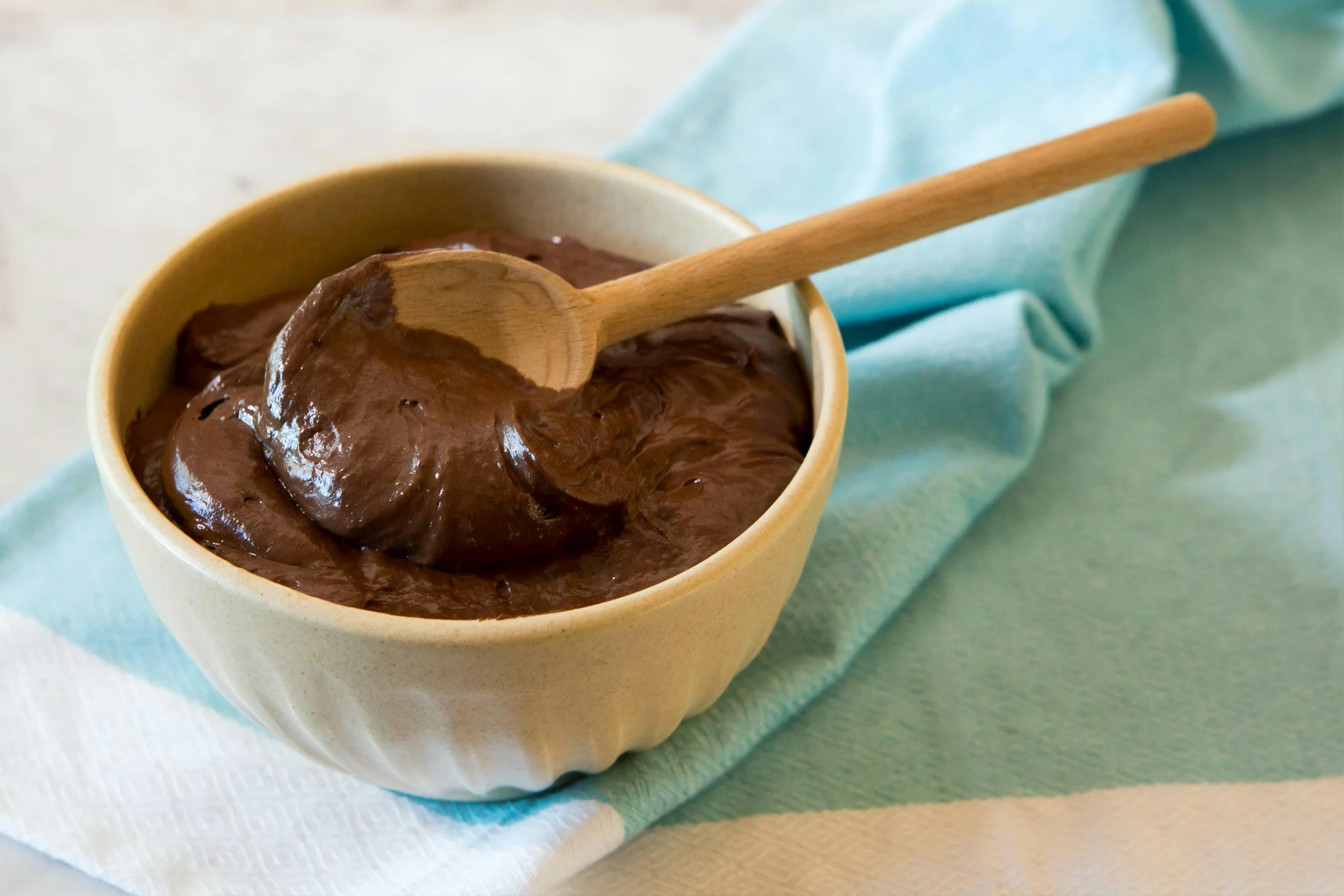
This Chocolate Avocado Pudding recipe is magnesium-rich, cortisol-friendly, and it actually tastes good
This post is for informational purposes only and does not constitute medical advice. Always consult a qualified healthcare provider before making changes to your diet or lifestyle.
I'm Tammy, a Holistic Nutrition Consultant and mom who believes exhausted shouldn't be your baseline. Since 2011 I've been helping women connect the dots between their gut and their energy, because when your gut is happy, everything else gets a little easier. Start with the free 5-day energy series.